
Market Players · Programmes & initiatives
Accelerating the Development of the Leather Value Chain in Botswana
July–November 2023 · Botswana and South Africa
← All programmes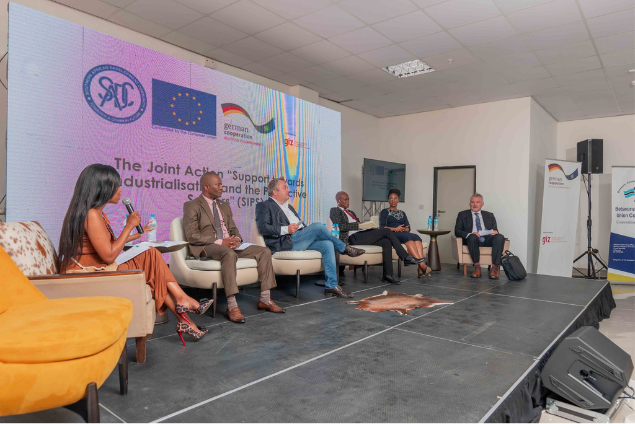
Regional industrialisation and cooperation
The Joint Action Support Towards Industrialization and the Productive Sectors in the SADC Region Leather Value Chain (SIPS-LVC) is a SADC Secretariat initiative supported by the European Union and Germany’s Federal Ministry for Economic Cooperation and Development (BMZ), and implemented by GIZ. It addresses coordination gaps between markets, institutions and the private sector to strengthen regional leather value chains.
Market Players’ assignment
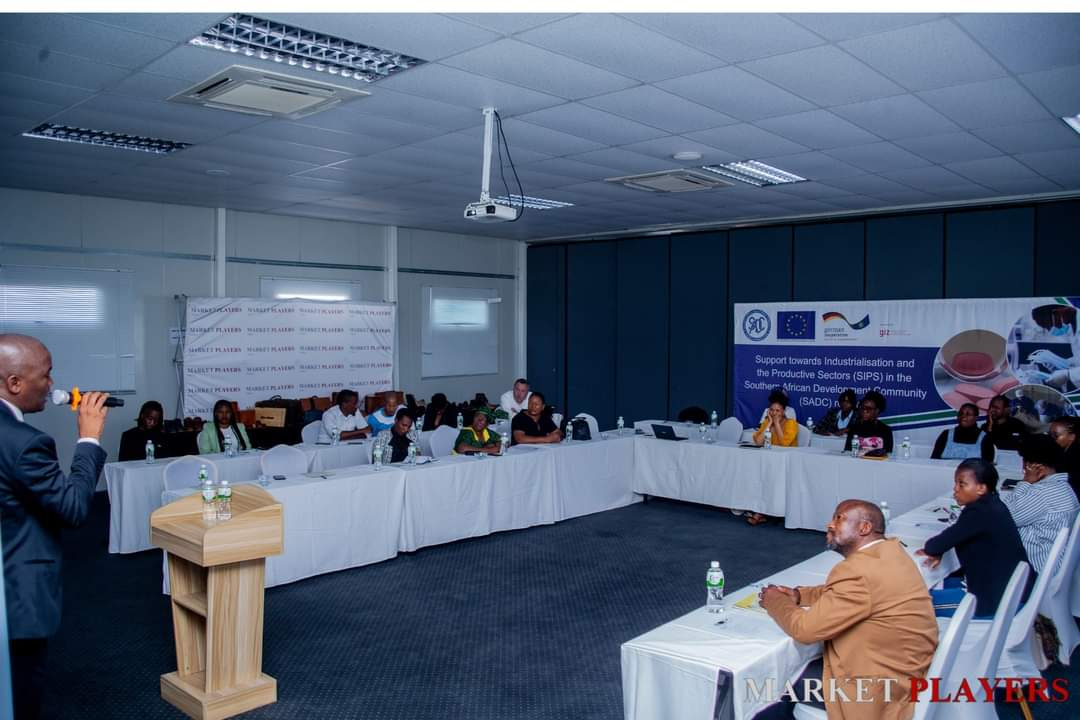
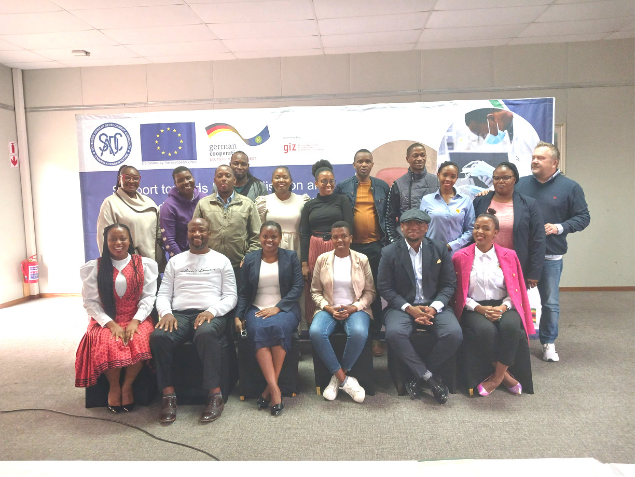
Market Players developed a value proposition and business continuity model for Botswana’s leather industry trade association. The work focused on the association’s ability to support members and sustain its operations, with recommendations informed by regional experience.


Regional benchmarking in Durban
In October 2023, the assignment included a benchmarking visit to South Africa. The exercise examined the South African Footwear and Leather Industries Association (SAFLIA) and the South African Footwear and Leather Export Council (SAFLEC). It explored technical and financial sustainability, member services, industry strengths and weaknesses, and opportunities for mutually beneficial business linkages.
SAFLIA’s domestic industry development role and SAFLEC’s export competitiveness mandate provided contrasting models for supporting Botswana’s industry.
Public-private sector collaboration
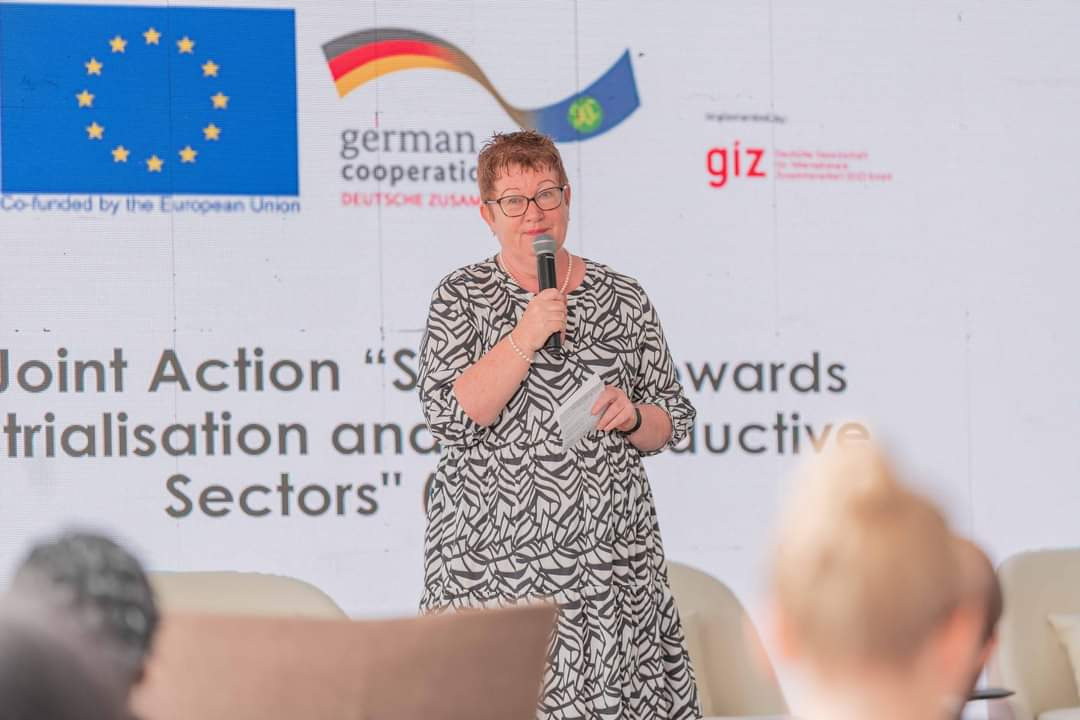
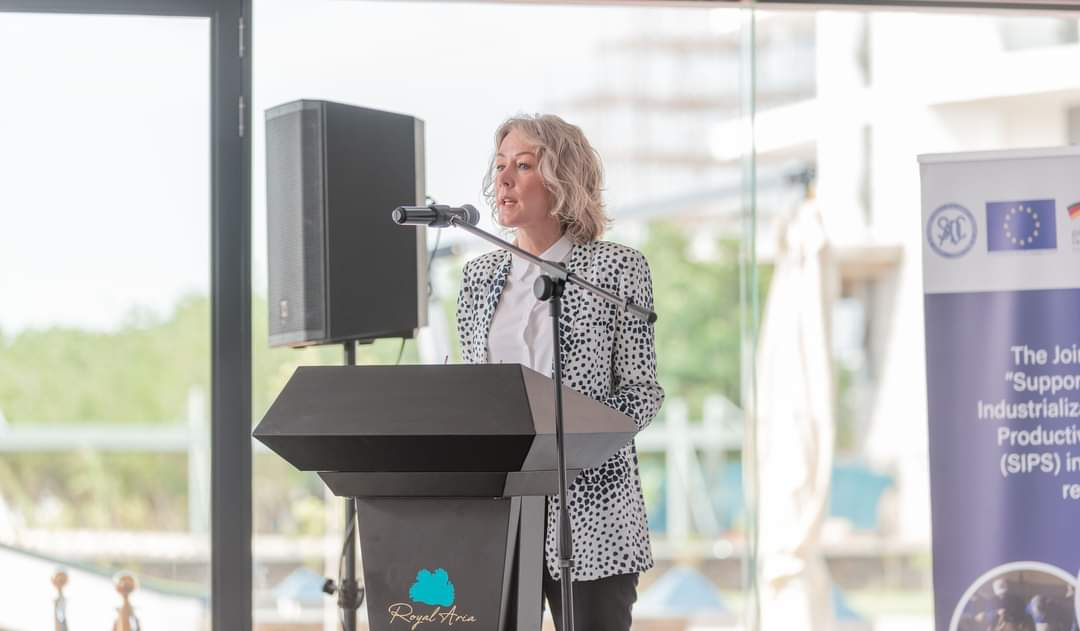
The work culminated in a Botswana leather value chain launch event themed Stronger Together: Public-Private Partnerships for Leather Value Chain Development in Botswana. The event involved then Minister of Entrepreneurship Karabo Socraat Gare, German Ambassador Margit Hellwig-Bötte, EU Ambassador Petra Pereyra and SADC Secretariat representative Anneline Morgan.

Project contribution
The assignment delivered an association value proposition, a continuity model and recommendations for institutional strengthening. These outputs supported the broader programme’s objectives of industrial competitiveness and regional integration.