
Market Players · Programmes & initiatives
Kweneng Economic Summit 2025
Kweneng Rising: Advancing Economic Development for a Sustainable Future · 8 May 2025 · Ntsweng Museum, Molepolole
A district-led development agenda
The Office of the Member of Parliament for Molepolole South, Hon. Shima Monageng, spearheaded the summit in collaboration with Market Players, which coordinated the event and prepared its outcome report. The initiative brought government, traditional leaders, business, civil society and residents together to identify practical priorities for a five-year district development action plan aligned with Vision 2036 and the envisaged NDP 12.
The gathering was designed to connect national policy with local investment and community needs, particularly in the context of fiscal constraints and the need for economic diversification.
Official opening by the Acting President
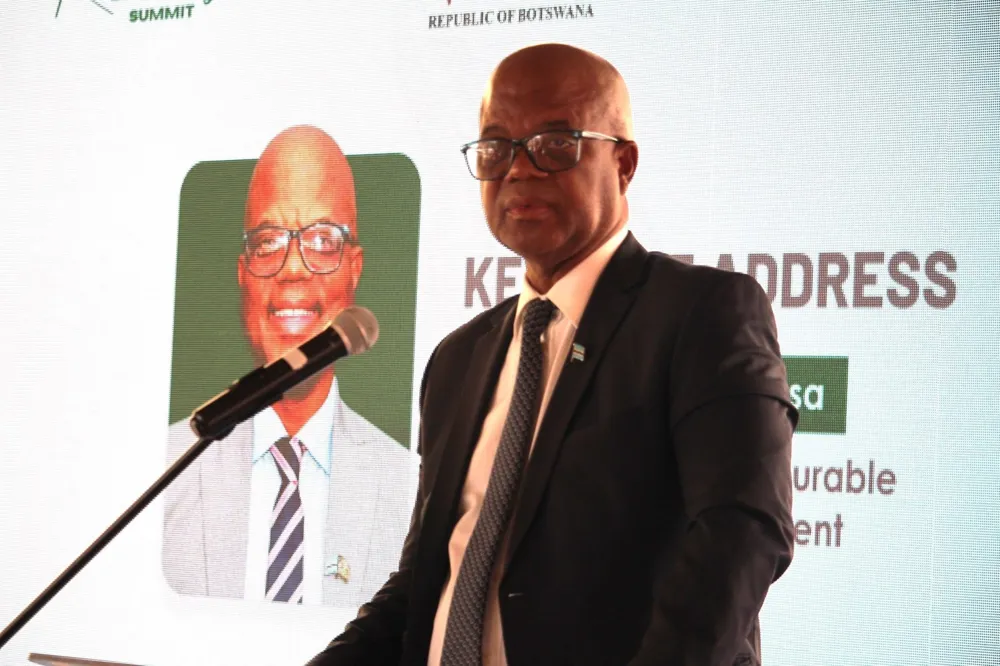
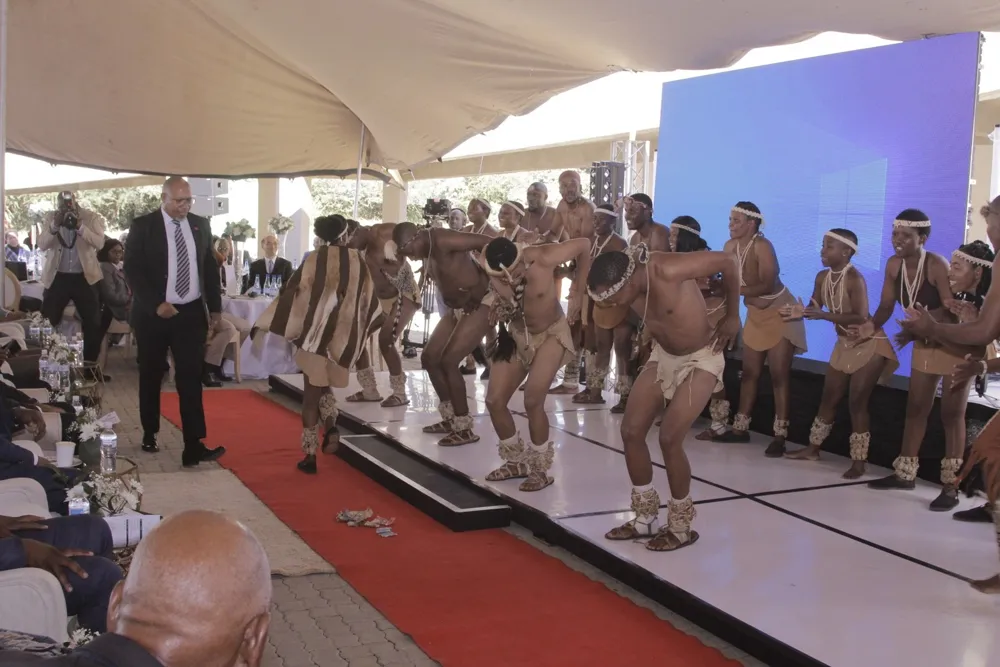
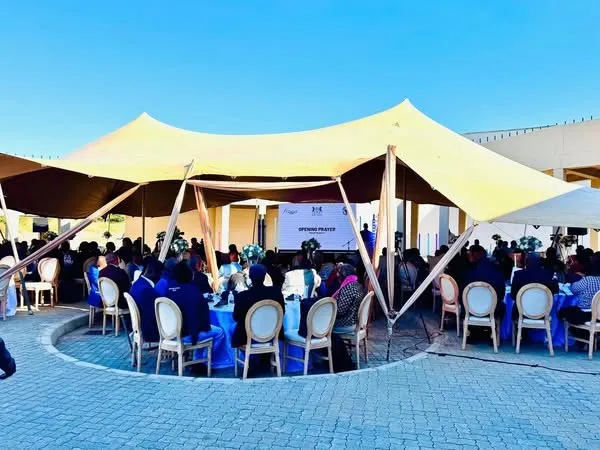
Acting President Hon. Moeti Caesar Mohwasa officially opened the summit. His address highlighted district infrastructure, water and road connectivity, unemployment, public service delivery and inclusive development. He called for coordination between government, business and communities, with stronger accountability and timely project delivery. The district commissioner introduced dignitaries, Kgosi Lawrence Mhaladi welcomed guests and local cultural performances celebrated the district’s heritage.
Human capital and creative industries
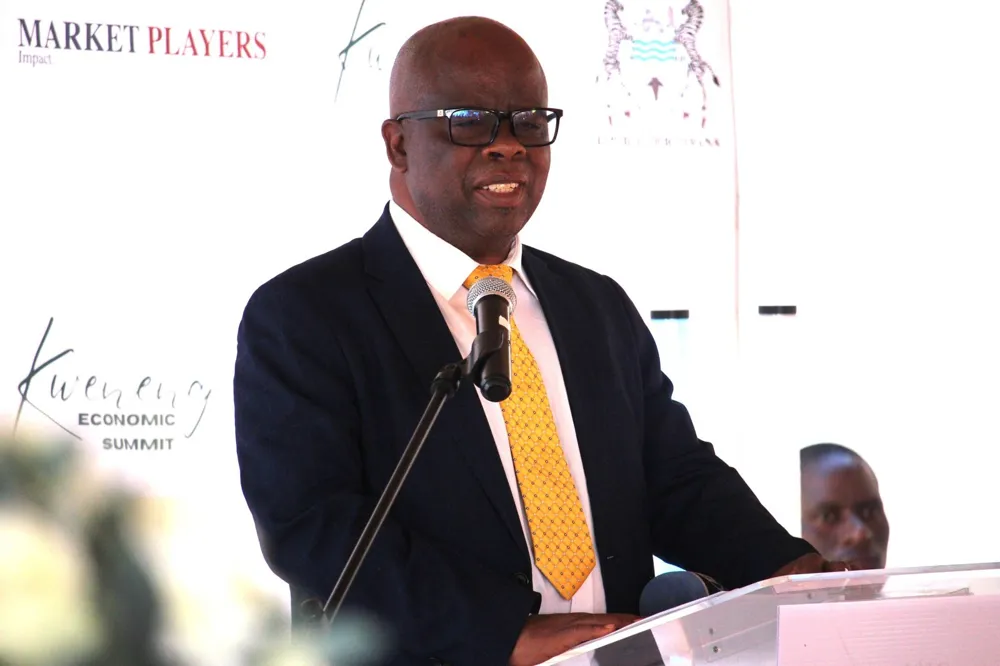
Dr Tiro Mampane of Boitekanelo College explored healthcare education and public-private partnerships, including the potential for a regional healthcare training hub. The National Arts Council’s Thireletso Modikwa examined cultural and creative industries, indigenous knowledge, digital platforms and local content as opportunities for diversification and employment.
Entrepreneurship, trade and investment
The Ministry of Trade and Entrepreneurship addressed peri-urban enterprise, infrastructure, inclusion and regulatory reform. BITC identified agribusiness, ecotourism, energy, logistics and manufacturing opportunities, alongside investment facilitation through its project origination and one-stop service frameworks.
Local economic development and public dialogue
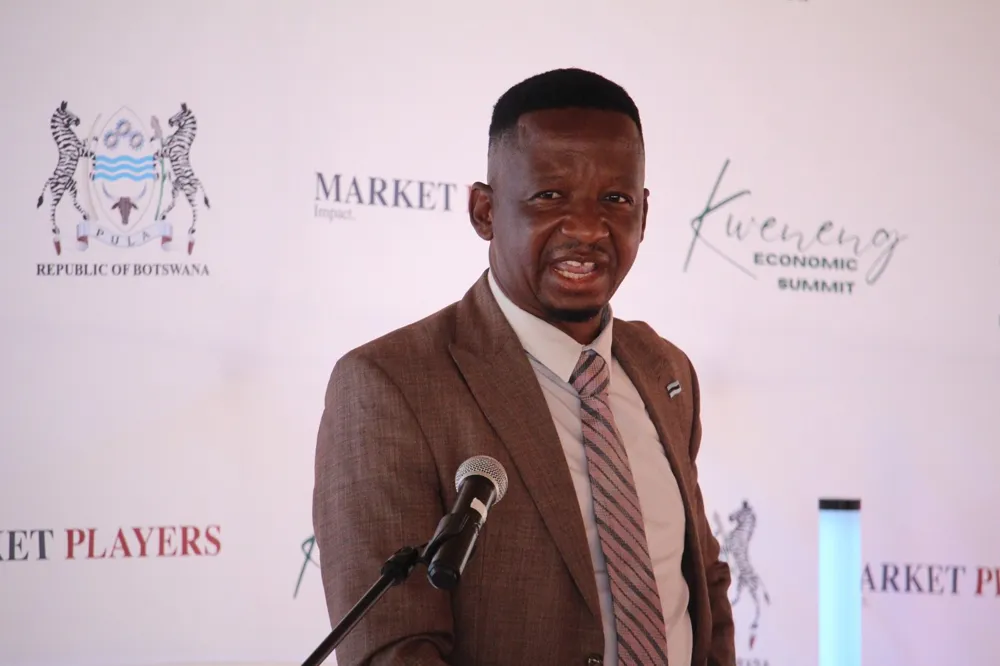
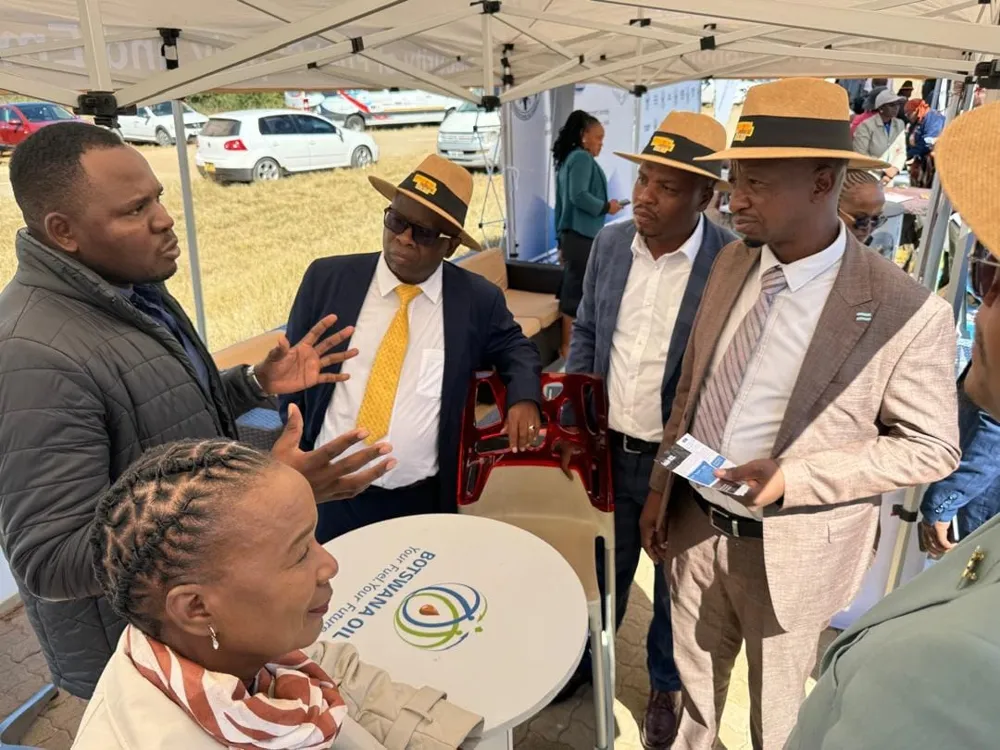
Panel discussions considered land access, skills mismatches, youth participation and the need for effective monitoring. Community concerns included delayed contractor payments, stalled land titling, unused infrastructure and logistics bottlenecks. The summit combined technical presentations with public consultation and exhibitions.
Recommendations and next steps
The outcome report proposes prioritising 10–15 bankable projects using market evidence and cost-benefit analysis, strengthening public-private partnerships, modernising vocational education and supporting youth-owned businesses. It also recommends improved land administration, local procurement, infrastructure and outcome-based monitoring. These are proposed actions, not completed investments. Market Players’ coordination and reporting role supported the translation of dialogue into a documented development agenda.