
Market Players · Programmes & initiatives
Junior Players
Building the next generation of entrepreneurs through practical financial literacy and learning through play.
Why entrepreneurship education starts early
Market Players developed Junior Players to introduce learners aged 9–12 to enterprise culture before they enter the labour market. The initiative complements formal education by making financial decisions, problem-solving and teamwork accessible through age-appropriate activities. It is intended to reach schools across ten districts, with educators, government, business and civil society contributing to delivery.
The Head-to-Head Challenge
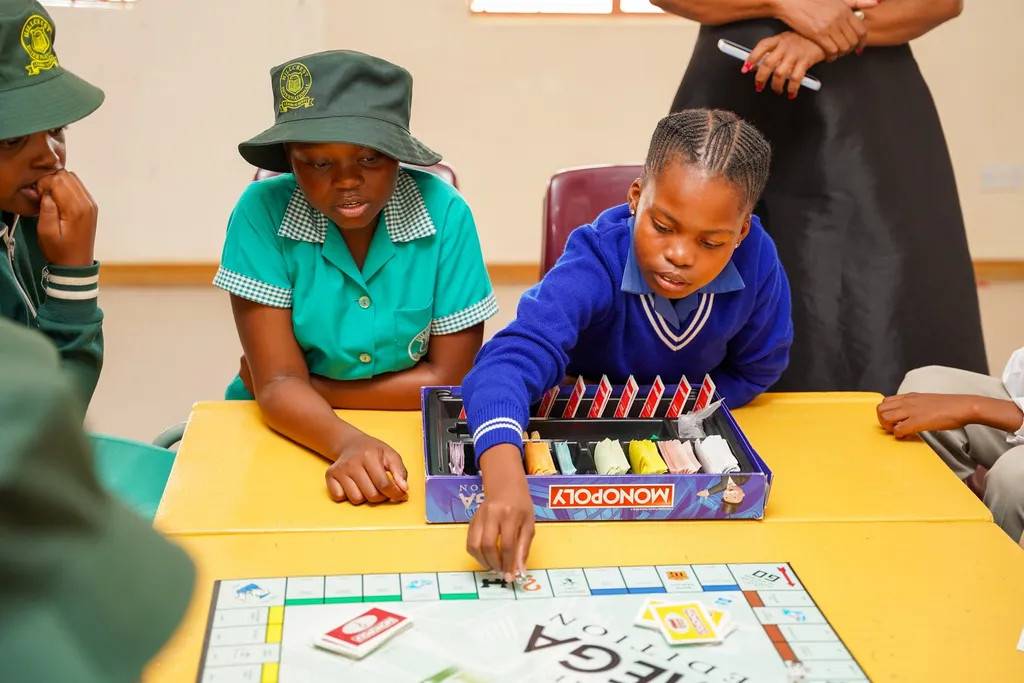
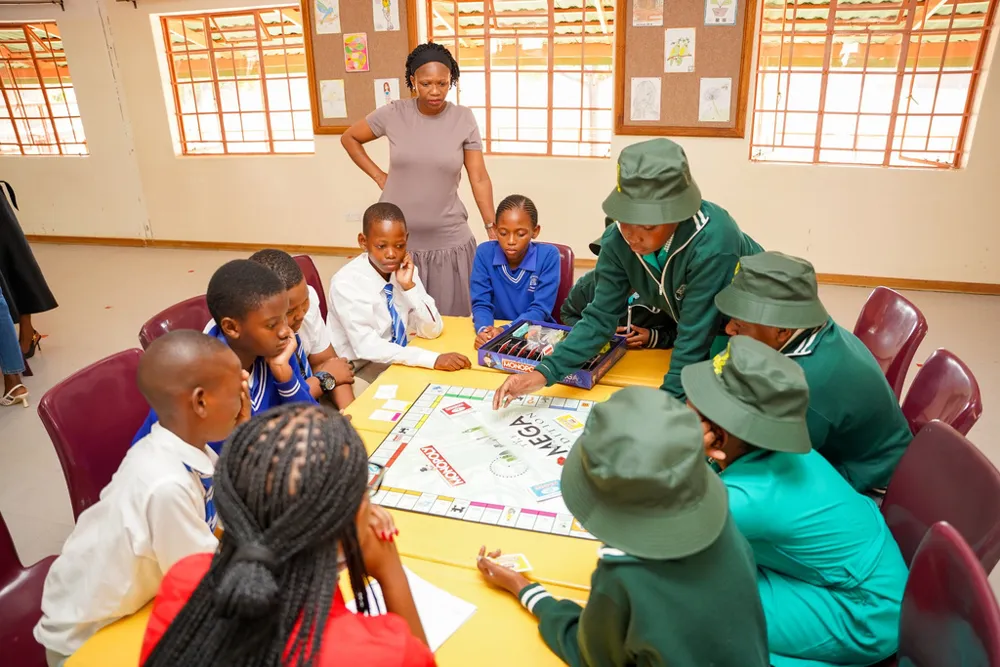
The challenge uses Monopoly as a facilitated learning tool. Teams practise budgeting, saving, simulated property transactions, negotiation, cash-flow management and strategic decisions. Friendly competition encourages communication, resilience and collaboration; the purpose is learning rather than financial gain.

From community outreach to implementation
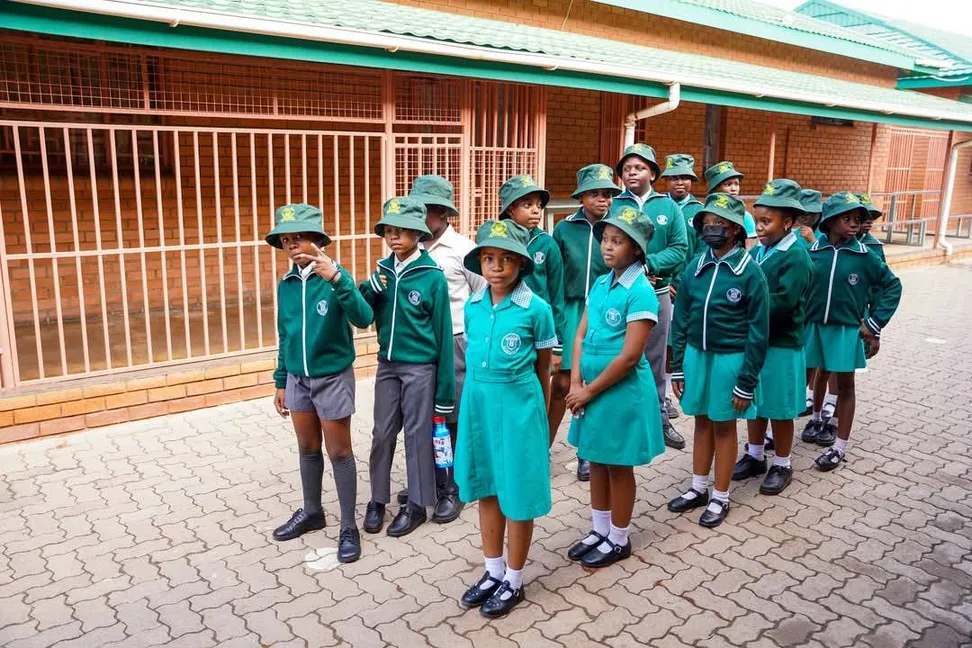
In November 2024 the Entrepreneurs of Tomorrow Coffee edition introduced the initiative at Motsatsing Primary School in Kanye. The wider prize-giving reached more than 300 pupils, parents and teachers, and seven pupils received learning resources.
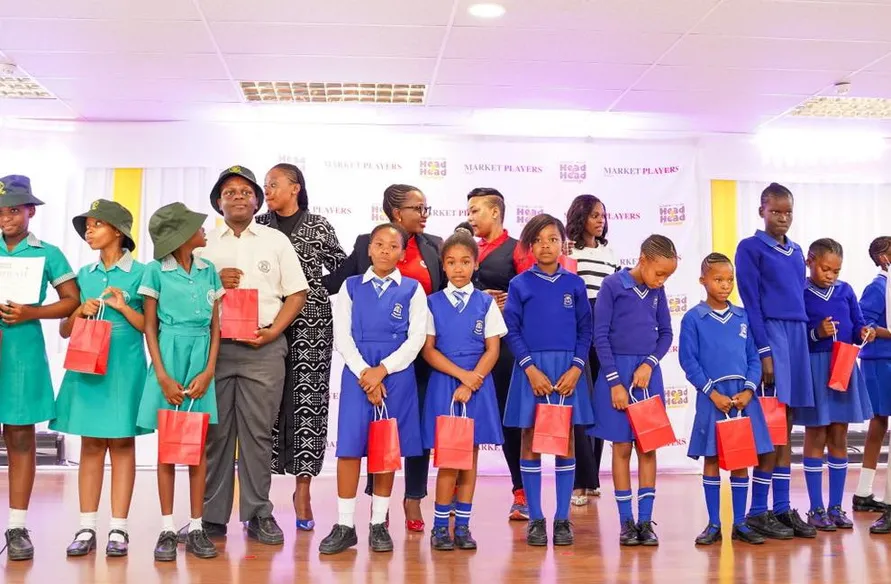
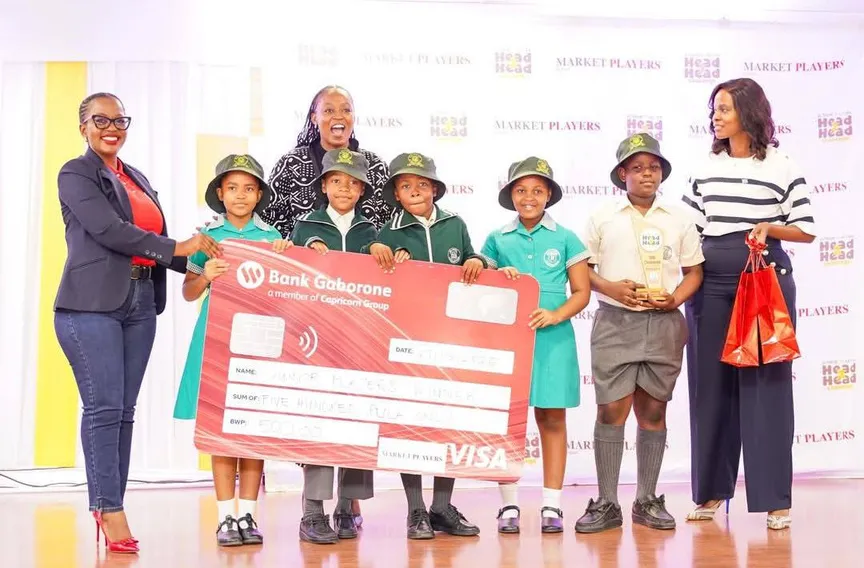
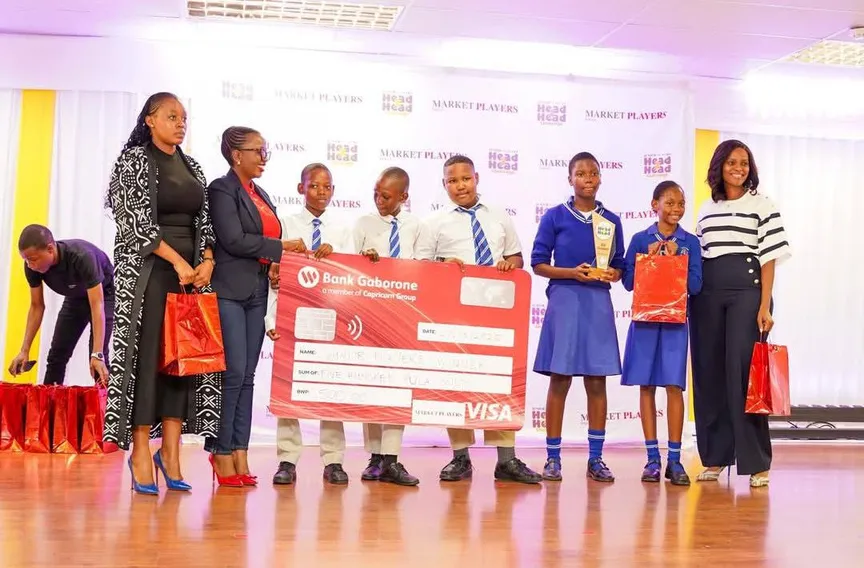
The first completed Head-to-Head Challenge on 27 March 2025 engaged 30 learners and eight teachers from two schools in the South-East and Southern districts. The event was officiated by Assistant Minister for State President Hon. Maipelo Mophuting-Dikoloti and supported by Bank Gaborone. Recognition included trophies, certificates, hampers and seed capital.


Expansion and partnerships
The programme aims to reach at least ten primary schools by 2027 and 200 children annually. These are future targets, distinct from completed participation. Educators are central to the model, and financial institutions and other partners can support educational resources and inclusive access. The programme aligns with SDGs 4, 8, 10 and 17.